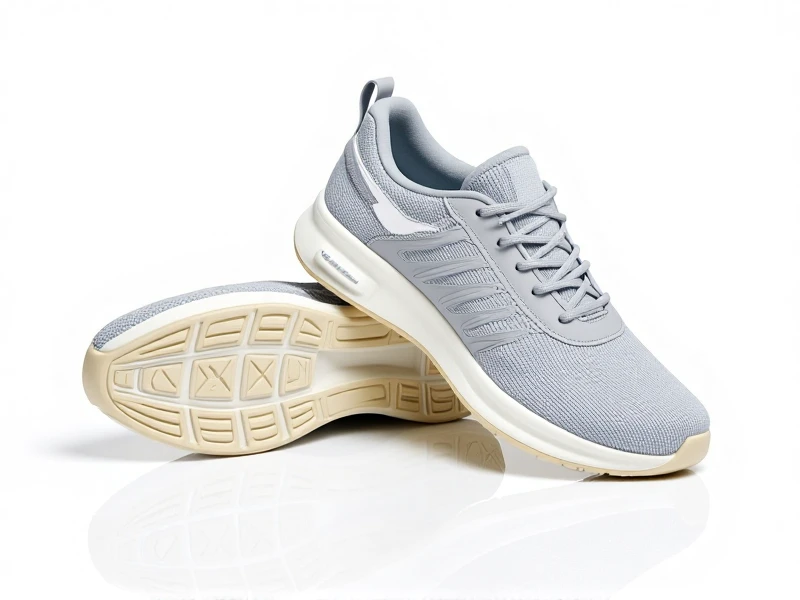
Finding Your Perfect Sports Shoes: Performance & Comfort Combined
Choosing the right pair of sports shoes is fundamental, whether you're a dedicated marathoner, a weekend gym warrior, or simply seeking supportive footwear for daily activities. Your sports shoes are more than just fashion; they're vital partners impacting your comfort, performance, and long-term joint health. But with endless options on the shelves and online, navigating the world of sports shoes can feel overwhelming. Let's break down the essentials to help you find your ideal pair.
Key Considerations for Your Next Pair of Sports Shoes:
- Understand Your Sport & Intensity: Different activities demand different features. Running sports shoes prioritize cushioning and forward motion propulsion. Basketball shoes need ankle support and lateral stability for quick cuts. Cross-training shoes offer versatile support for gym circuits, HIIT, and agility work. Tennis shoes focus on durable outsoles for court traction. Choosing sport-specific sports shoes drastically enhances performance and safety.
- Prioritize Fit and Comfort: This is non-negotiable. Ill-fitting sports shoes lead to blisters, discomfort, and even injury. Try shoes on later in the day when feet are naturally slightly swollen. Ensure snugness around the heel and midfoot without pinching, leaving a thumb's width of space (about half an inch) between your longest toe and the shoe's end. Your feet should feel secure but not constricted. Remember, sizes vary between brands and models!
- Know Your Foot Shape (Especially Arch Type): Do you have high arches, flat feet, or neutral arches? Understanding this guides you towards the right level of support and stability.
- High Arches: Often need additional cushioning for shock absorption.
- Flat Feet or Overpronation: Typically require stability or motion control features.
- Neutral Arches: Usually most flexible, thriving in neutral cushioning shoes.
- Focus on Technology for Support & Cushioning: Modern sports shoes incorporate innovative technologies:
- Midsole Materials: EVA foam remains popular for softness, while newer compounds like TPU or Pebax offer bouncier, more responsive energy return. Understand if you prefer plush cushioning or a more responsive feel.
- Upper Construction: Look for breathable, durable materials (like engineered mesh) that offer support and flex where needed. Seamless designs reduce friction points.
Beyond the Purchase:
- Replace Regularly: Even the best sports shoes wear out! Cushioning compresses, and support structures degrade. A general guideline is every 300-500 miles of running or every 6-12 months with regular use worn out shoes offer less protection.
- Rotate If Possible: Having more than one dedicated pair of sports shoes allows each pair to decompress fully between uses, prolonging their lifespan.
Investing time in selecting the correct sports shoes tailored to your unique needs is an investment in your enjoyment and well-being during physical activity. Listen to your feet, consider your exercise goals, and don't hesitate to seek expert fitting advice. Finding that perfect pair unlocks greater comfort and peak performance. Start your search informed!